
The Chat Window Started Working: GPT-5.6, Grok 4.5, and ChatGPT Work
English translation · Switch to Chinese for the original.
July 8: Grok 4.5 at $2/$6 per 1M tokens. July 9: GPT-5.6 (Sol/Terra/Luna) and ChatGPT Work ship the same day—models compete on tiers, products compete on finishing jobs in your apps.
Scan QR code or copy link to share in WeChat.
Key Takeaways
- On July 8, 2026, xAI (SpaceXAI) released Grok 4.5.
- The next day, July 9, OpenAI shipped two things on the same day: GPT-5.6 rolled out to the public, plus a new product entry point—ChatGPT Work.
- Over three days, users still opened the same familiar chat window. What changed was the sentence behind it: from "help me write a paragraph" to "help me finish this task."
- xAI's launch page is short. Grok 4.5 is positioned as the strongest model for coding, agentic tasks, and knowledge work, with emphasis on training alongside Cursor.
- The two numbers engineers screenshot most often from public materials:
One-Line Summary
In one week, the chat window stopped being a drafting tool and started acting like a coworker—Grok 4.5 on speed and token economics, GPT-5.6 as a three-tier model family, and ChatGPT Work as the agent that finishes work across apps and files.
Body
On July 8, 2026, xAI (SpaceXAI) released Grok 4.5.
The next day, July 9, OpenAI shipped two things on the same day: GPT-5.6 rolled out to the public, plus a new product entry point—ChatGPT Work.
Over three days, users still opened the same familiar chat window. What changed was the sentence behind it: from "help me write a paragraph" to "help me finish this task."
July 8: Grok 4.5—Speed and the Bill First
xAI's launch page is short. Grok 4.5 is positioned as the strongest model for coding, agentic tasks, and knowledge work, with emphasis on training alongside Cursor.
The two numbers engineers screenshot most often from public materials:
- Service speed of roughly 80 tokens/second
- API pricing: $2 per million input tokens, $6 per million output tokens
- Claimed roughly 2× token efficiency versus comparable leading models (fewer steps / less output for the same task)
Product placement is equally concrete: default entry is Grok Build; available across all Cursor plans; API model name grok-4.5. The page shows examples of "one prompt builds a full app," plus complex tables and slides inside Excel / PowerPoint / Word plugins.
One compliance boundary is stated clearly: not yet available in the EU, expected mid-July.
July 9: GPT-5.6 Is Not One Model—It Is Three Tiers
OpenAI frames GPT-5.6 as a family: flagship Sol, balanced Terra, low-cost Luna.
Per OpenAI's public price list (per million tokens, short-context standard pricing):
- Sol: $5 input / $30 output
- Terra: $2.50 input / $15 output
- Luna: $1 input / $6 output
Beside the numbers is a product narrative shift: models should serve multi-step tasks and deliver finished work to your templates and reference files.
Put Grok 4.5's $2 / $6 next to GPT-5.6's three tiers and the billing logic is immediately visible: one side bets on intelligence density per unit time, the other on picking a tier by task difficulty. There is no need to declare a winner right now; procurement teams and developers will vote with real workflows.
Same Day: ChatGPT Work Brings Codex to Non-Programmers
OpenAI's definition of ChatGPT Work is short:
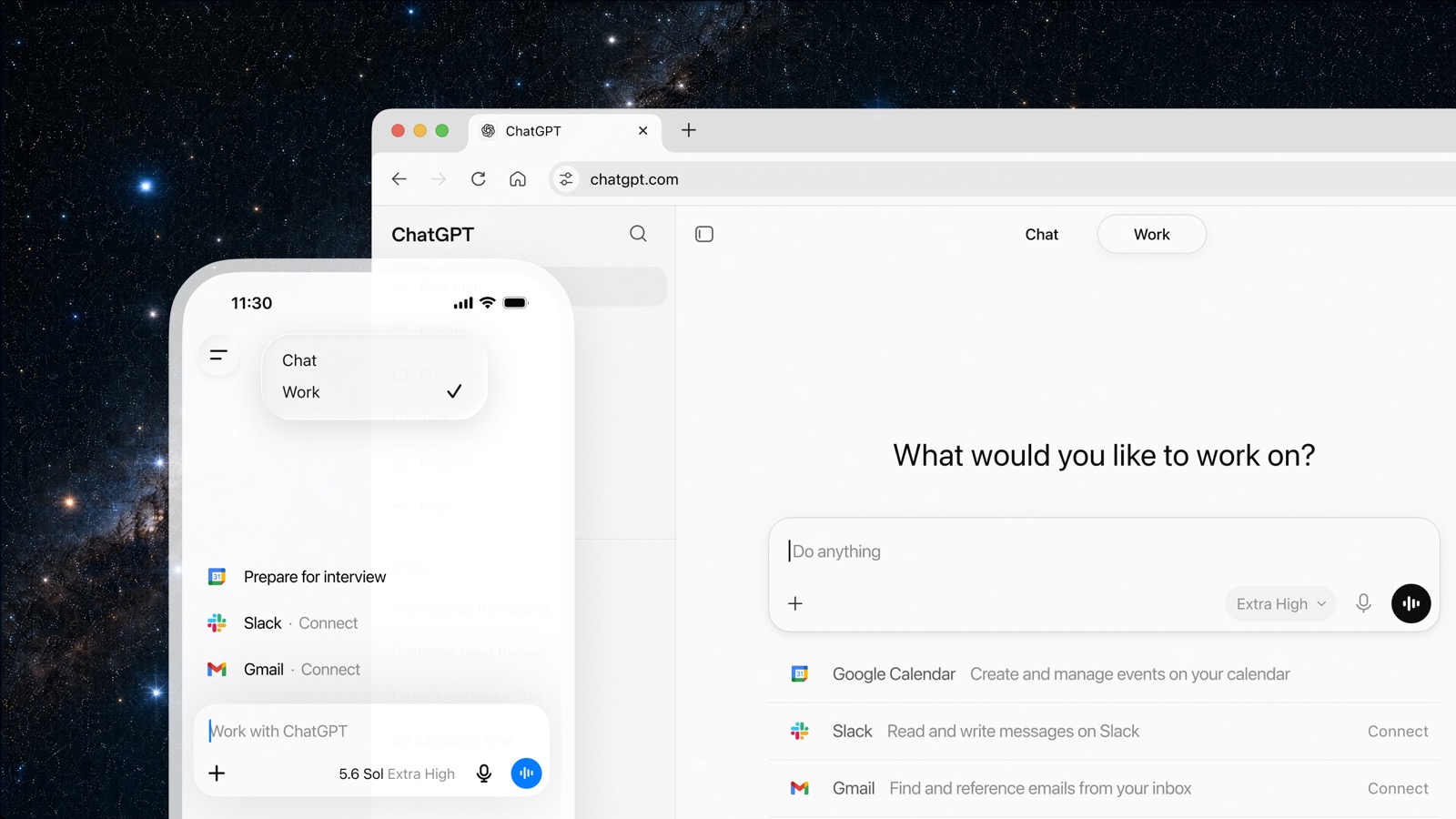
An agent that can act across apps and files; complex projects can run for hours; it breaks goals into steps and tries to finish independently; outputs can be spreadsheets, slides, documents, or web apps.
Under the hood: the newly rolled-out GPT-5.6, plus Codex technology already embedded in ChatGPT. Official numbers: more than 5 million people use Codex weekly; more than 1 million use it for work outside software development.
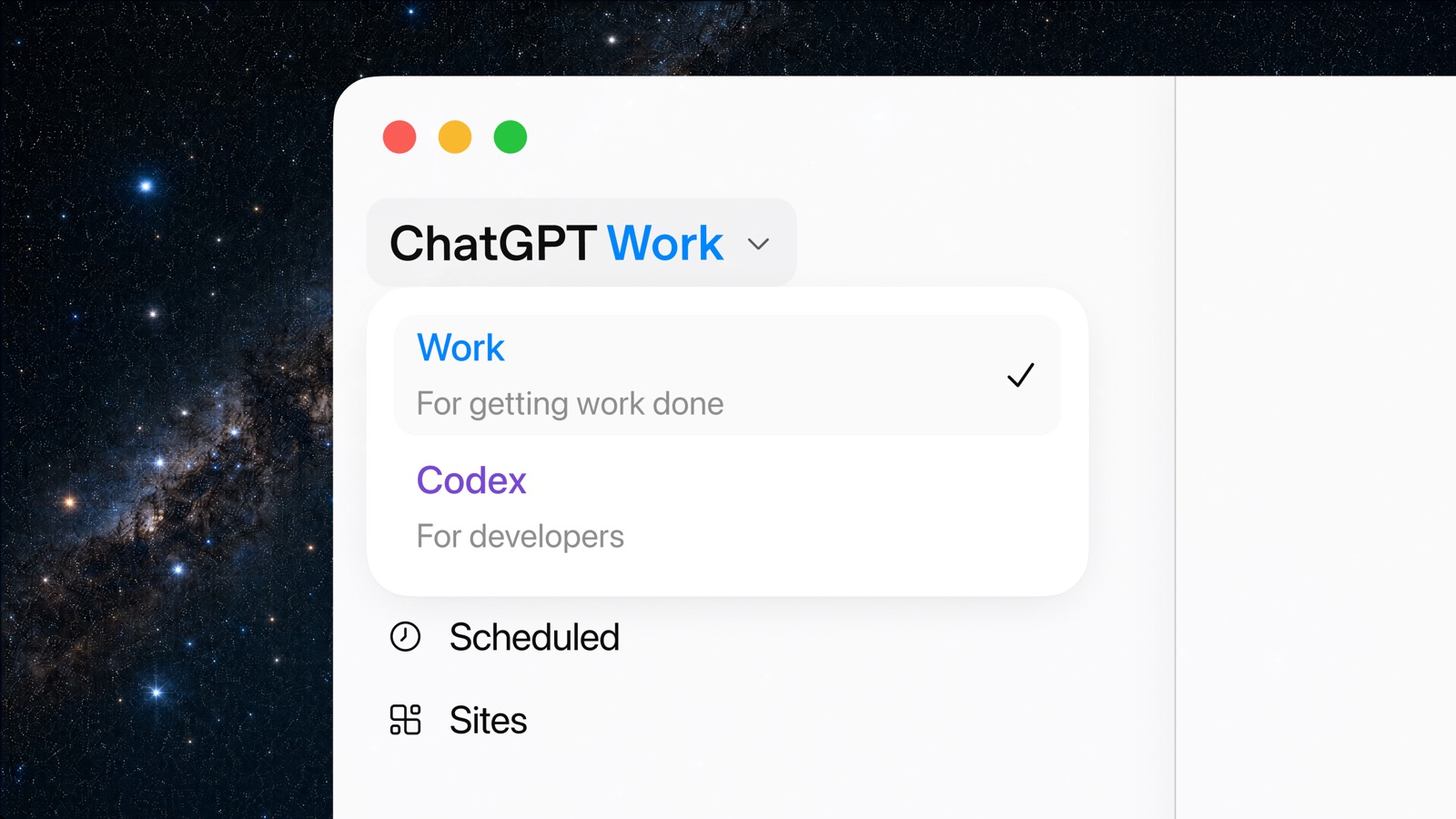
Availability is spelled out in detail—worth checking against your own account:
- Web / mobile: Pro, Enterprise, and Edu first; Plus and Business "in the coming days"
- Desktop (Mac / Windows): Chat, Work, and Codex open to all plans, including Free; the former standalone Codex app merges into the new ChatGPT desktop client
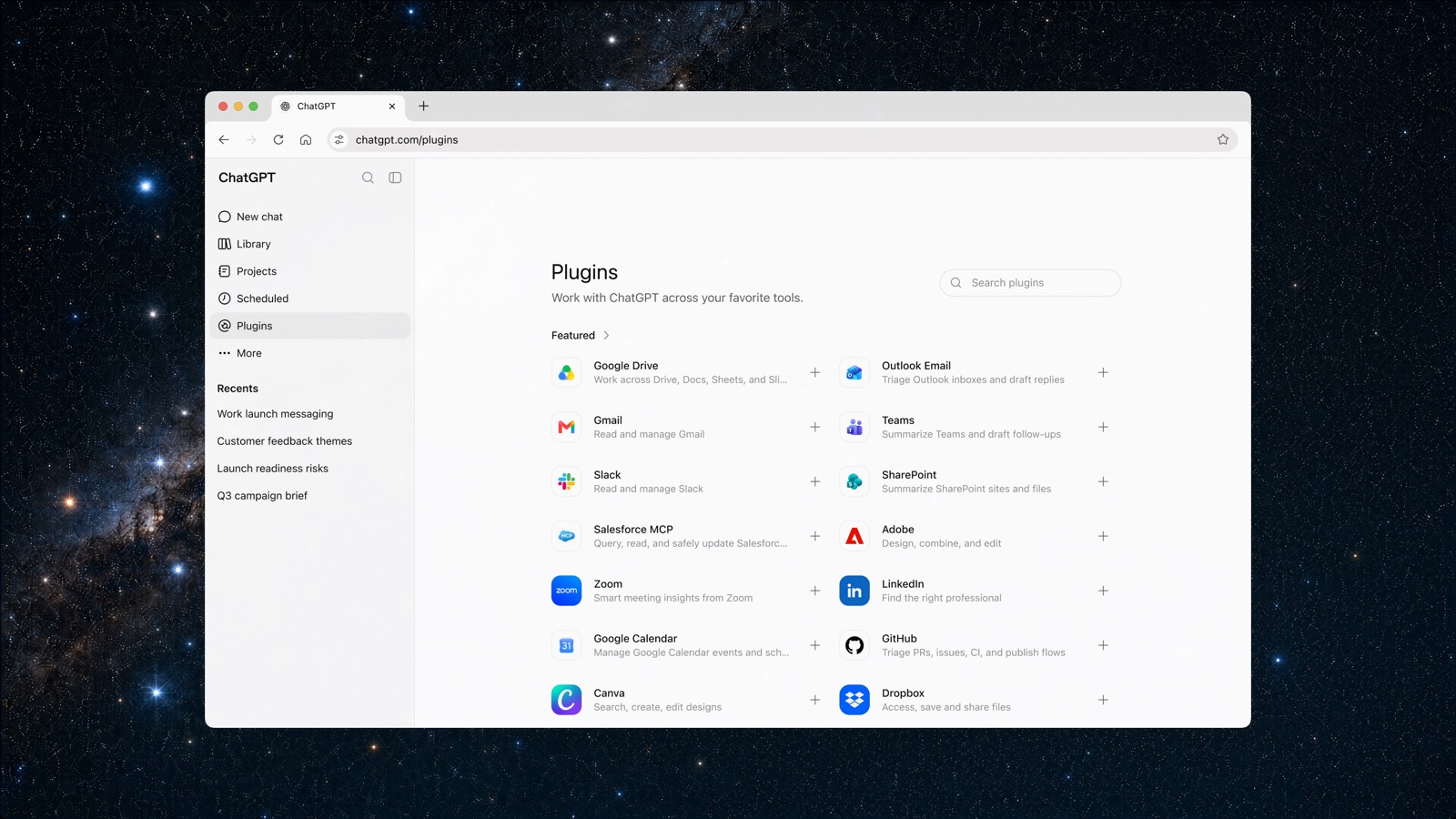
The plugin directory connects Slack, Teams, Google Drive, SharePoint, email, calendar, CRM, and more. You can @app-name to specify context. A public beta Sites feature turns work into shareable interactive sites or internal dashboards.
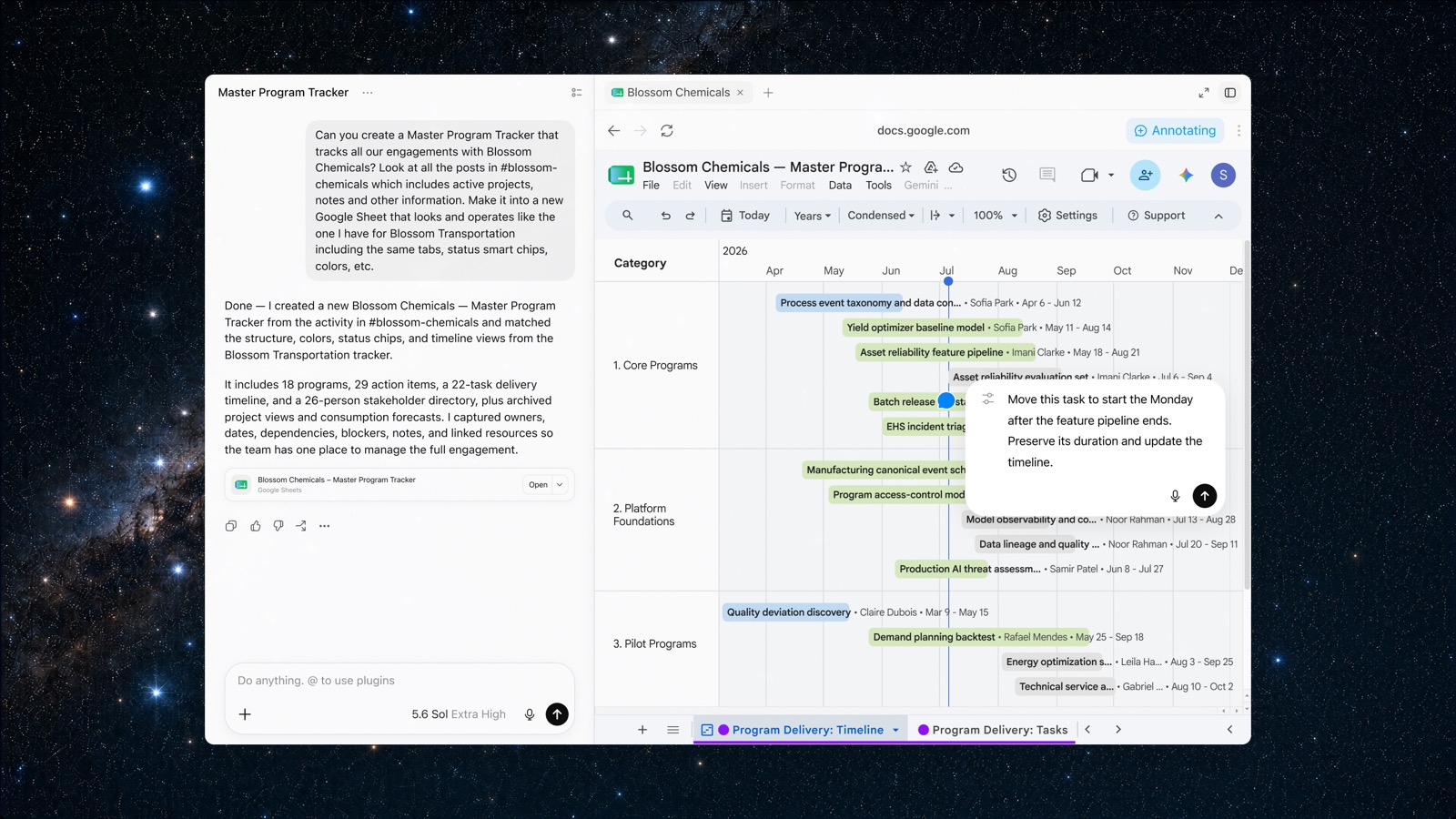
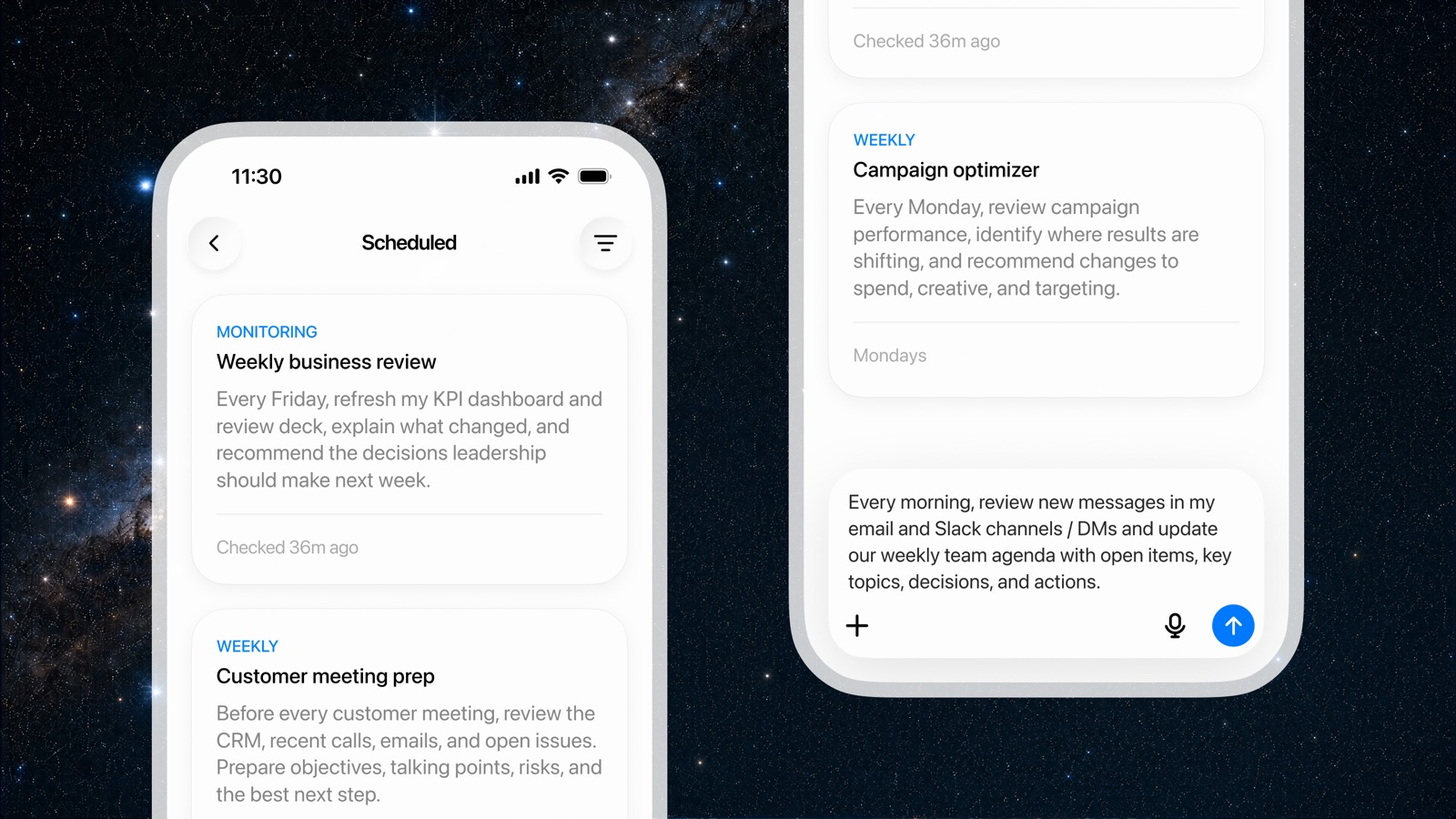
Scheduled Tasks writes "the human is away from the screen" into the product: for example, summarizing new Teams / Slack messages into a document or slide deck, then syncing to the team. The desktop client also includes a built-in browser and Computer Use—clicking, typing, and moving files within authorized scope.
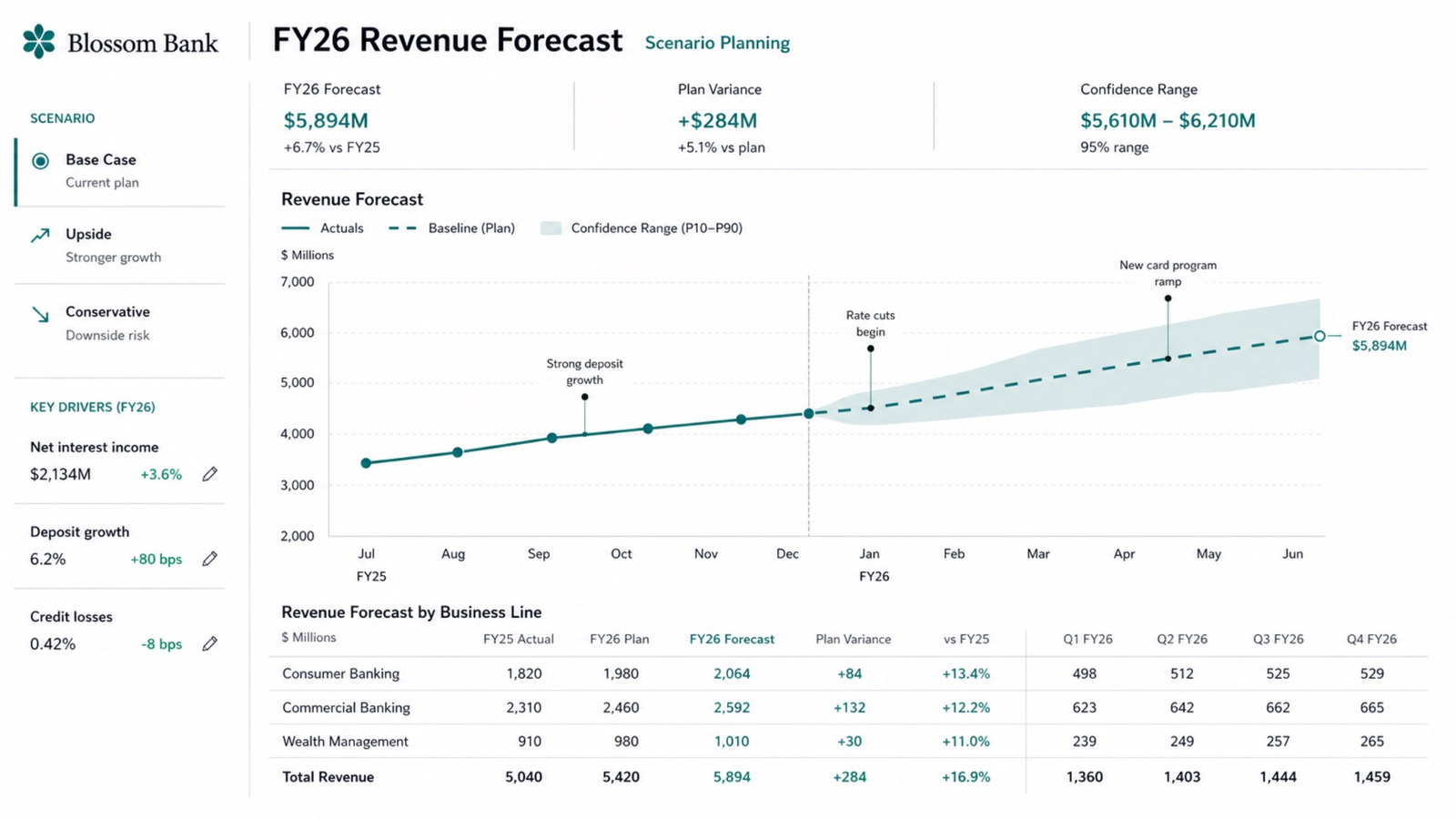
OpenAI's internal case studies read more like desk diaries: sales turned discovery conversations into custom PoCs within 24 hours; finance compressed month-end close and forecasting from days to hours. Zapier's Head of Enterprise Marketing Angela Ferrante is quoted on the official site: using Work to map CRM and email touchpoints, build a weekly executive dashboard, and claim discovery of a potential seven-figure sales gap—that is customer testimony, not an audit conclusion.
Three-Day Comparison: What Models Compete On, What Products Compete On
Compress the timeline into a table and the picture clears:
- 7/8 · xAI · Grok 4.5: $2/$6, ~80 TPS, Cursor / Grok Build
- 7/9 · OpenAI · GPT-5.6: Sol / Terra / Luna three tiers
- 7/9 · OpenAI · ChatGPT Work: finish one job across apps; desktop includes Free tier
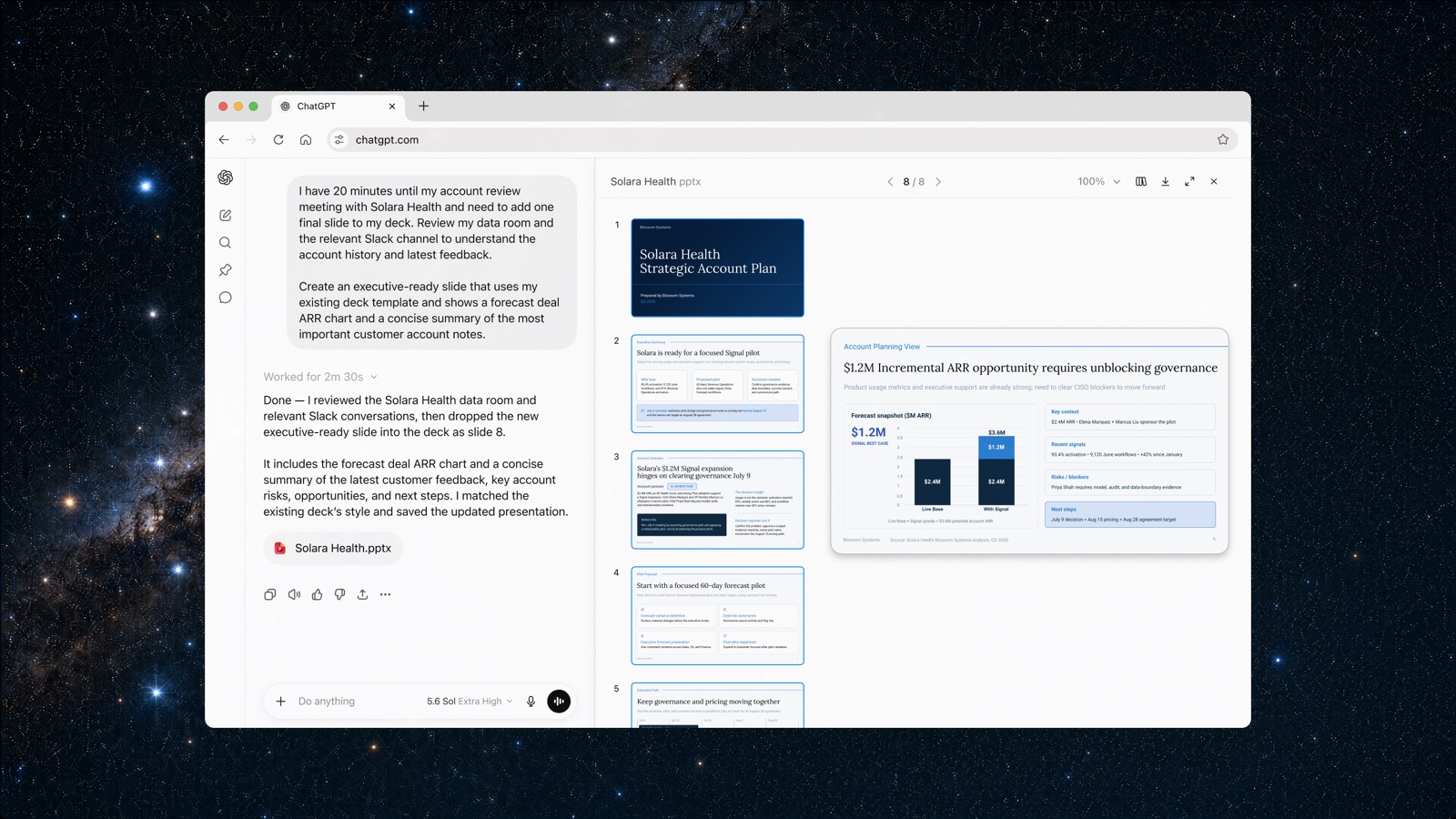
Grok 4.5's launch page barely discusses "chat personality." It talks engineering tasks, token efficiency, and Office plugins. GPT-5.6 splits capability into purchasable tiers. ChatGPT Work moves the battlefield from "who answers smarter" to "who can close the loop inside your existing Slack and spreadsheets."
Enterprise governance is written into the same blog post: Enterprise / Edu admins control plugins, browser access, and sensitive actions; Compliance API; desktop inherits Codex's governance model; important actions can route through Auto-review. The more a product can "take action," the longer the permissions table gets—that is not an appendix; it is the main story.
The Chat Window Remains; the Desk Has Changed
From July 8 to 9, no new hardware appeared.
What appeared were three parallel strategies: train the model into real engineering and agent loops (Grok 4.5); split frontier intelligence into billable tiers (GPT-5.6); embed agents into the everyday software stack and let them run for hours (ChatGPT Work).
The user-facing change may feel light—one more entry called Work, or one more default model name. Behind that lightness, the billing unit slides from "one Q&A" toward "one task," and permissions slide from "read your prompt" toward "touch your files and calendar."
Back to the opening line. The chat window is still there. It started working—whose job it is, and at which step it must stop and wait for a human nod, depends on which plugins you connect and where administrators set the switches.
Compiled from public materials and commentary. Not investment advice. Product availability and pricing follow each company's live official pages. Images from OpenAI / xAI public pages.
Sources
- OpenAI: ChatGPT Work
- OpenAI: GPT-5.6
- xAI: Grok 4.5
Conclusion
On July 8, 2026, xAI released Grok 4.5; on July 9, OpenAI rolled out GPT-5.6 and ChatGPT Work. Together they mark a shift from chat-as-draft to chat-as-task-completion. See sections above for detail.
FAQ
What is this article mainly about? A: It covers how, in the same week, the familiar chat window began "going to work"—tracing background, key changes, and the author's core read on Grok 4.5, GPT-5.6, and ChatGPT Work.
July 8: Grok 4.5—Speed and the Bill First—what are the main points? A: See the section "July 8: Grok 4.5—Speed and the Bill First." That section is based on source materials and does not constitute investment or legal advice.
July 9: GPT-5.6 Is Not One Model—It Is Three Tiers—what are the main points? A: See the section "July 9: GPT-5.6 Is Not One Model—It Is Three Tiers." That section is based on source materials and does not constitute investment or legal advice.
Same Day: ChatGPT Work Brings Codex to Non-Programmers—what are the main points? A: See the section "Same Day: ChatGPT Work Brings Codex to Non-Programmers." That section is based on source materials and does not constitute investment or legal advice.
Three-Day Comparison: What Models Compete On, What Products Compete On—what are the main points? A: See the section "Three-Day Comparison: What Models Compete On, What Products Compete On." That section is based on source materials and does not constitute investment or legal advice.
Does this article constitute investment advice? A: No. This is informational commentary and opinion. Decisions should rely on primary sources and professional advice.
Last updated: 2026-07-10
Author: Dr.Jingle (X @drjingle)
Evidence boundary: Structural GEO adaptation; facts and opinions from the original text; no unverified data added.
This article reflects the author's views and information synthesis. It does not constitute investment, legal, or medical advice.
Scan QR code or copy link to share in WeChat.