
1X NEO's 25-DoF Hand: An API to the Physical World
English translation · Switch to Chinese for the original.
On July 9, 2026, 1X unveiled tendon-driven 25-DoF hands for NEO: force-transparent, IP68, tactile sensing, and a production target of 10,000 units this year.
Scan QR code or copy link to share in WeChat.
Key Takeaways
- On July 9, 2026, 1X updated its website with a plainly titled article: "NEO's Hands | An API to the Physical World."
- No launch countdown, no "disruption" headline. The page opens with a demo video, then a string of numbers: 25 degrees of freedom, tendon-driven actuation, force control, backdrivability—and a line only engineers write: the hand is no longer an end effector; it is an instrument.
- That same day, tech accounts began forwarding screenshots: IP68, food-grade materials, fingertip touch sensing, a hand that can wash itself. Comment threads argued not about "how human it looks" but something else—whether a decades-old humanoid bottleneck had finally shifted from "the hand" to "the data."
- 1X uses a cold analogy in the article.
- If a humanoid robot's end effector is only a two-finger gripper, developers get roughly three verbs: grasp, release, push. Every application after that is a permutation of those three actions—and most of the time the hand itself cannot feel the world. Gear ratios are too high; contact forces are eaten in the transmission; the system can only "guess" what the fingertips are doing through cameras.
One-Line Summary
1X reframes NEO's 25-DoF hand not as a cosmetic humanoid detail but as a force-transparent, sensor-rich API to the physical world—built at scale so every grasp becomes learnable data toward embodied AGI.
Body
On July 9, 2026, 1X updated its website with a plainly titled article:
"NEO's Hands | An API to the Physical World"
No launch countdown, no "disruption" headline. The page opens with a demo video, then a string of numbers: 25 degrees of freedom, tendon-driven actuation, force control, backdrivability—and a line only engineers write: the hand is no longer an end effector; it is an instrument.
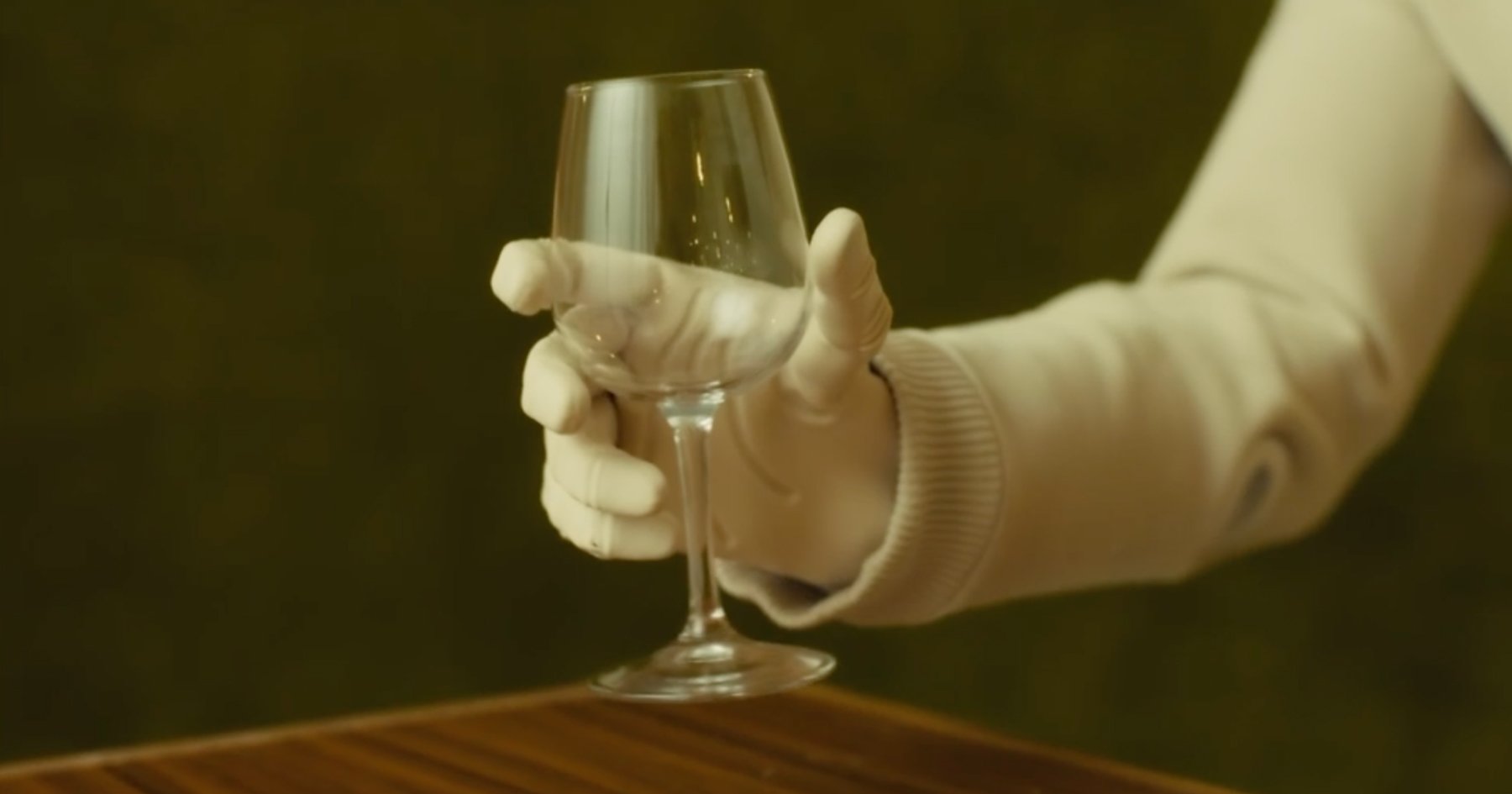
That same day, tech accounts began forwarding screenshots: IP68, food-grade materials, fingertip touch sensing, a hand that can wash itself. Comment threads argued not about "how human it looks" but something else—whether a decades-old humanoid bottleneck had finally shifted from "the hand" to "the data."
The Two-Finger Era: Developers Get Only Three Verbs
1X uses a cold analogy in the article.
If a humanoid robot's end effector is only a two-finger gripper, developers get roughly three verbs: grasp, release, push. Every application after that is a permutation of those three actions—and most of the time the hand itself cannot feel the world. Gear ratios are too high; contact forces are eaten in the transmission; the system can only "guess" what the fingertips are doing through cameras.
They call this kind of hand write-only: you command, it moves into place, and almost nothing meaningful comes back.
NEO is meant for the home. Kitchen counters, zippers, screws, grapes, wine glasses—those scenes need more than three verbs. On earlier product pages, NEO already listed a humanoid dexterous hand with 22 DoF per hand; in the July 9 update, the official narrative pushes to a fuller spec: all 25 degrees of freedom are natively force-controlled—22 fully actuated DoF across fingers and palm, plus 3 more at the wrist.
The numbers alone are not unusual. What they keep stressing is the physical path: force goes out; information returns along the same path. They call it force transparency.
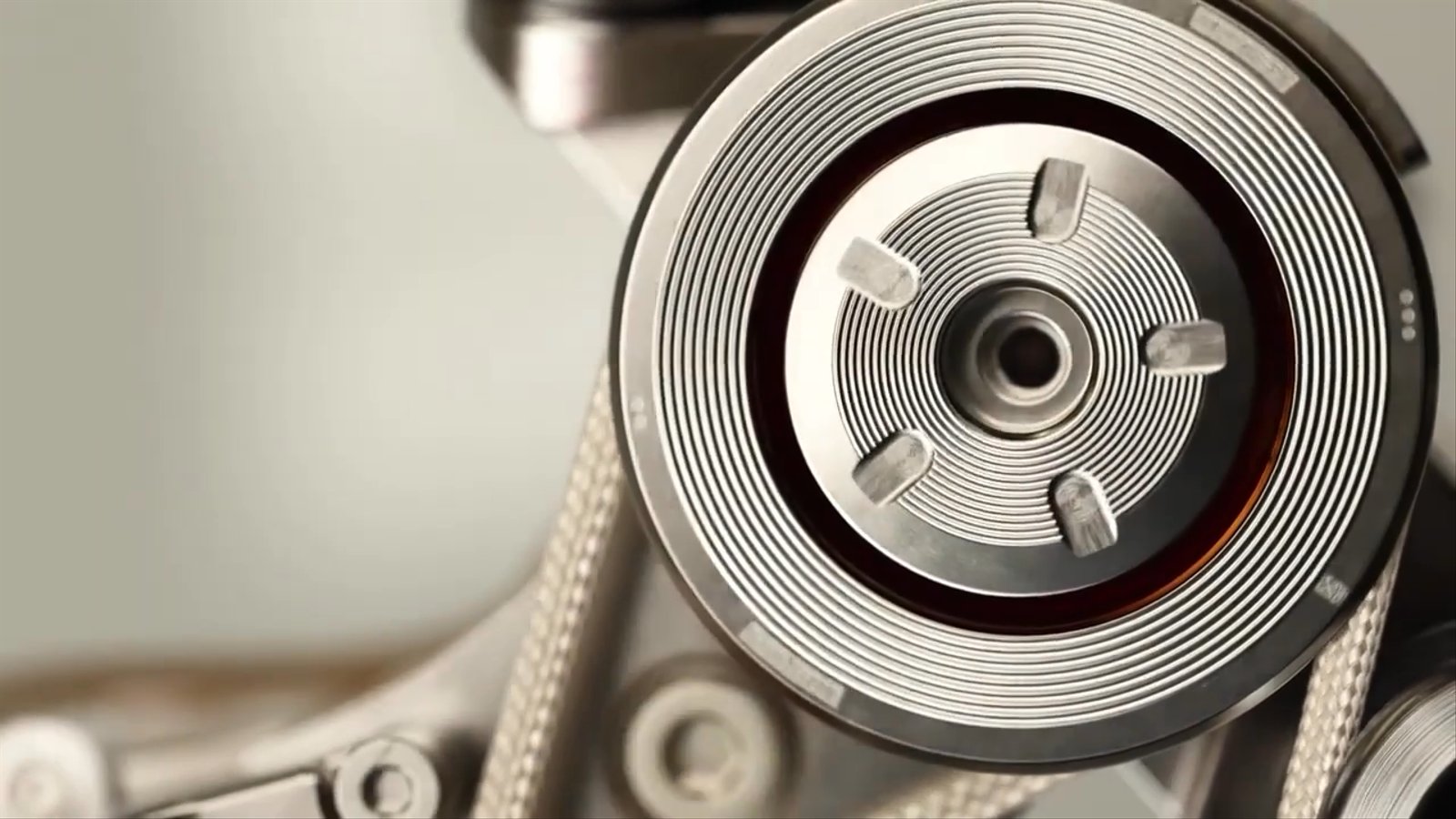
Push a Finger and It Yields—and Reports the Force
The official technical write-up is specific.
Actuation runs through 1X Tendon Drive quasi-direct tendon routing, with reduction ratios around 5:1 to 15:1—far below the 100:1 or 200:1 common in the industry. All 25 DoF are force-controllable and backdrivable: push a finger and it yields, reporting how hard you pushed.
There is a quieter reading too: proprioception. Each joint is closed-loop; the hand knows its own configuration without looking—like a person locating their fingertip with eyes closed.
The page lists a string of "everyday labor" tasks: assembling Lego, picking coins and screws from a wallet, screwing in a light bulb, using a screwdriver, in-hand object rotation, pulling a zipper, sorting grapes by color, pouring tea from a kettle, catching a soft ball, plugging in USB-C, holding a wine glass, wiping a counter with a tissue, and sign language.
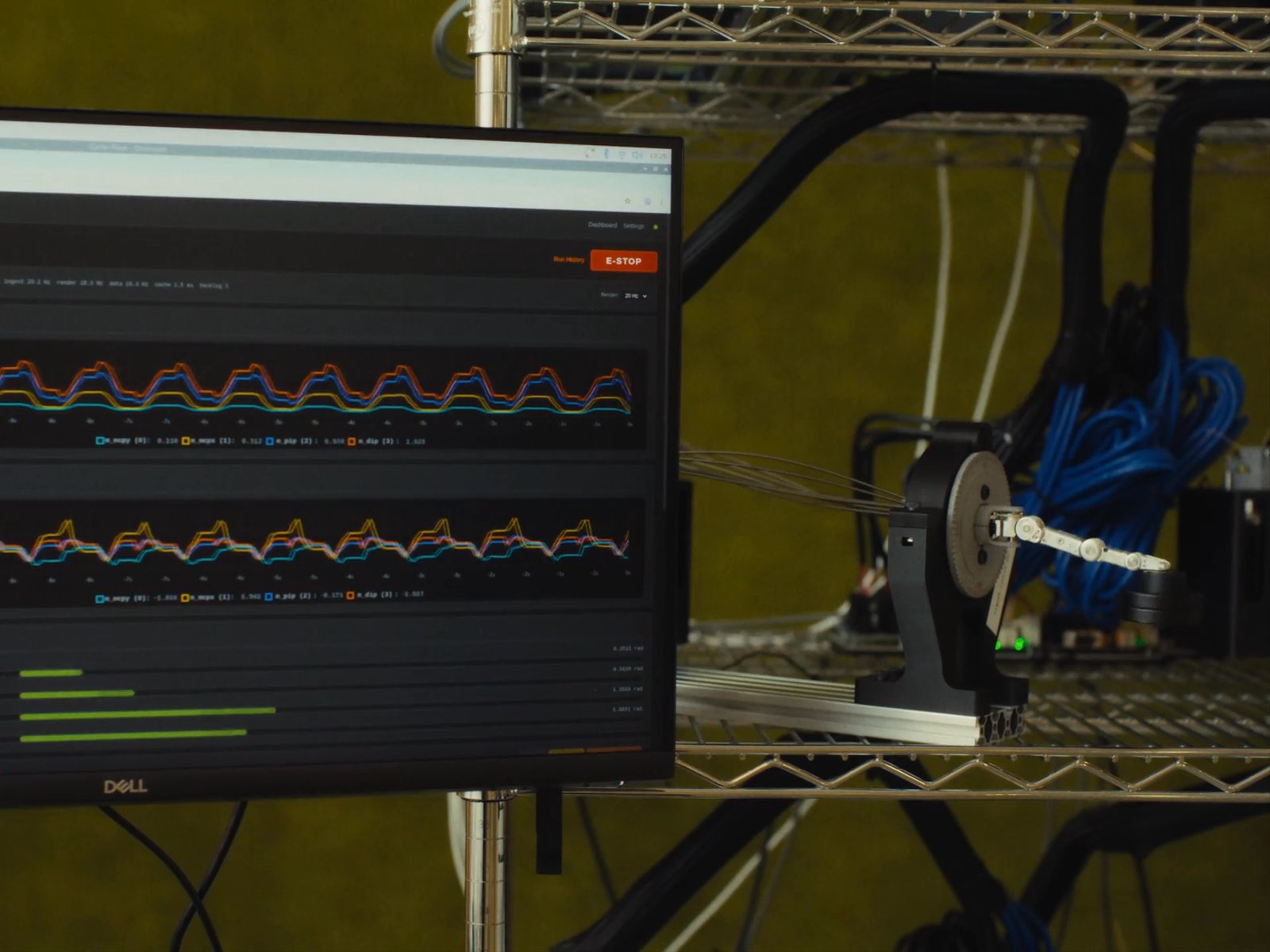
Peak forces are in the spec sheet: thumb CMC peak torque about 3.5 Nm, finger MCP about 2.6 Nm, distal flexion force up to about 45 N; wrist torque about 17.75 Nm; positioning accuracy about ±0.2 mm. The whole hand is IP68 with food-grade materials—the copy includes a very domestic line: NEO can wash its hands like a person.
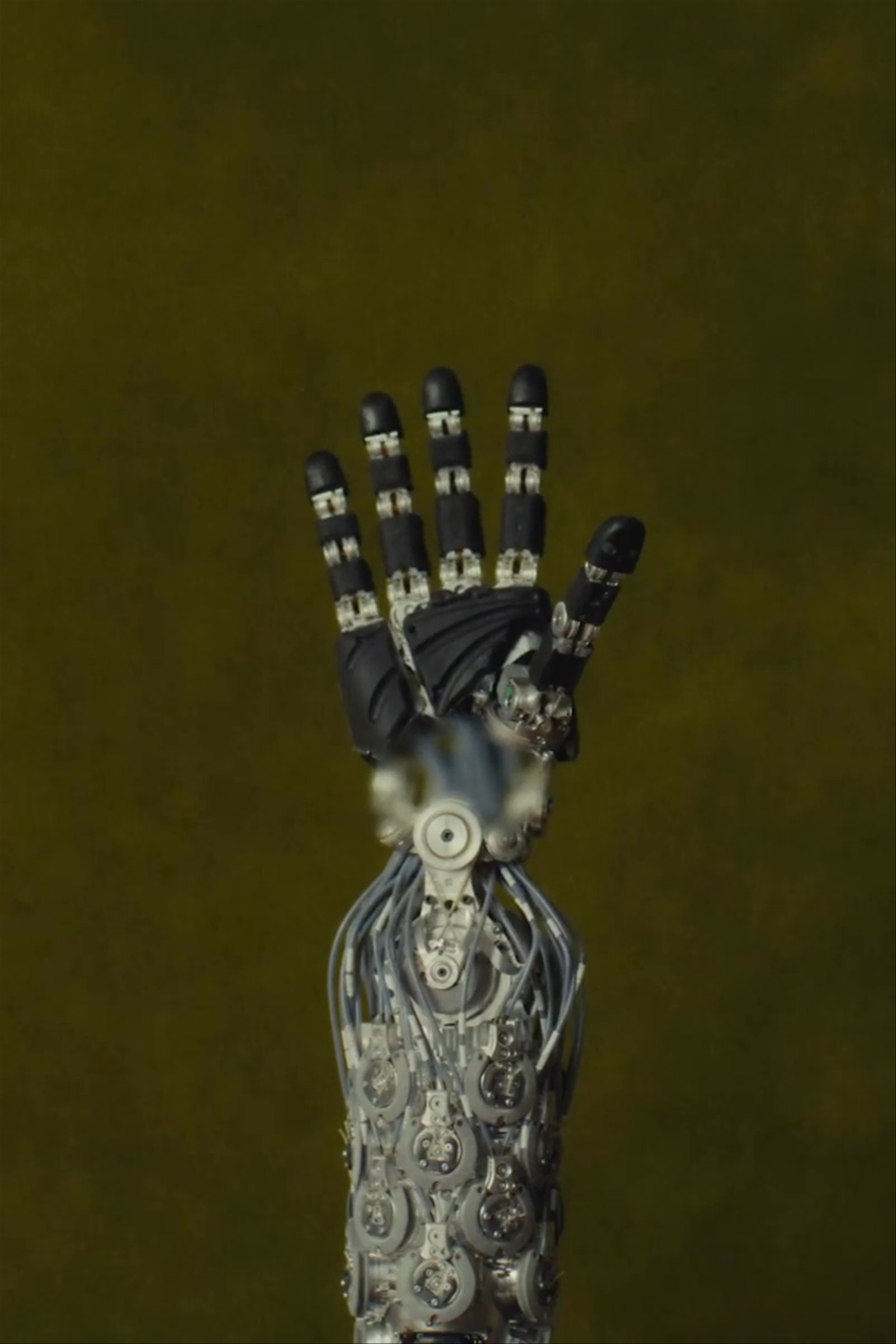
Skin Is Not a Shell—It Is a Sensor Array
1X describes touch as an "image": dynamic range, resolution, channels, field of view.
Fingertip and palm surfaces measure normal force, contact location, and shear force to detect when an object starts to slip and compensate grip in real time. They emphasize: for small objects, transparent objects, deformable objects, and occluded objects, vision alone is not enough.
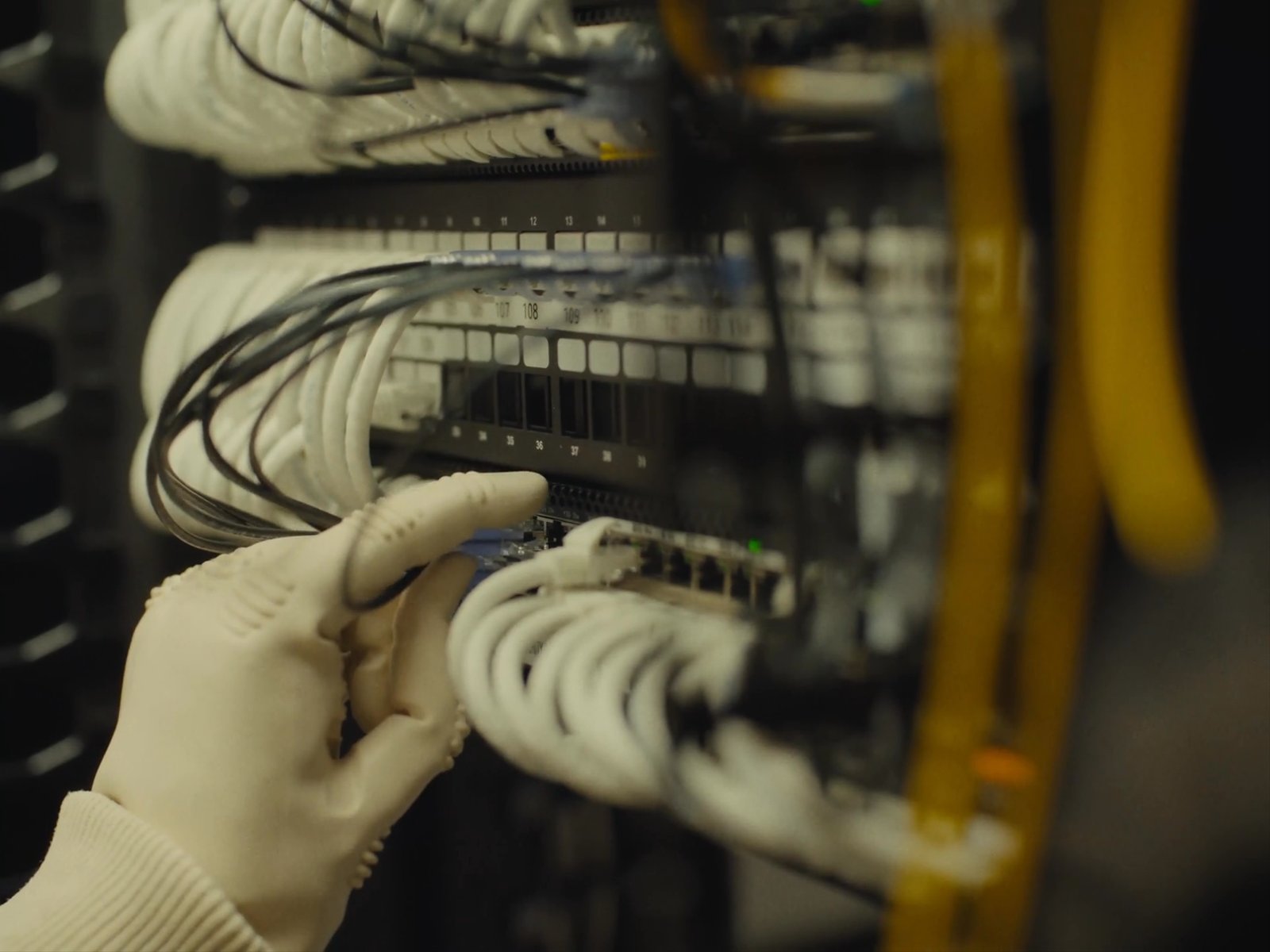
Reliability numbers are on the public page too: components and full finger assemblies went through millions of test cycles; the wrist joint was validated for more than 2 million cycles under high load. In slow motion, the hand yields when slapped, hammered, pinched in a drawer, or driven into foam—low reduction ratio, tendon drive, low distal inertia, written as part of a safety loop.
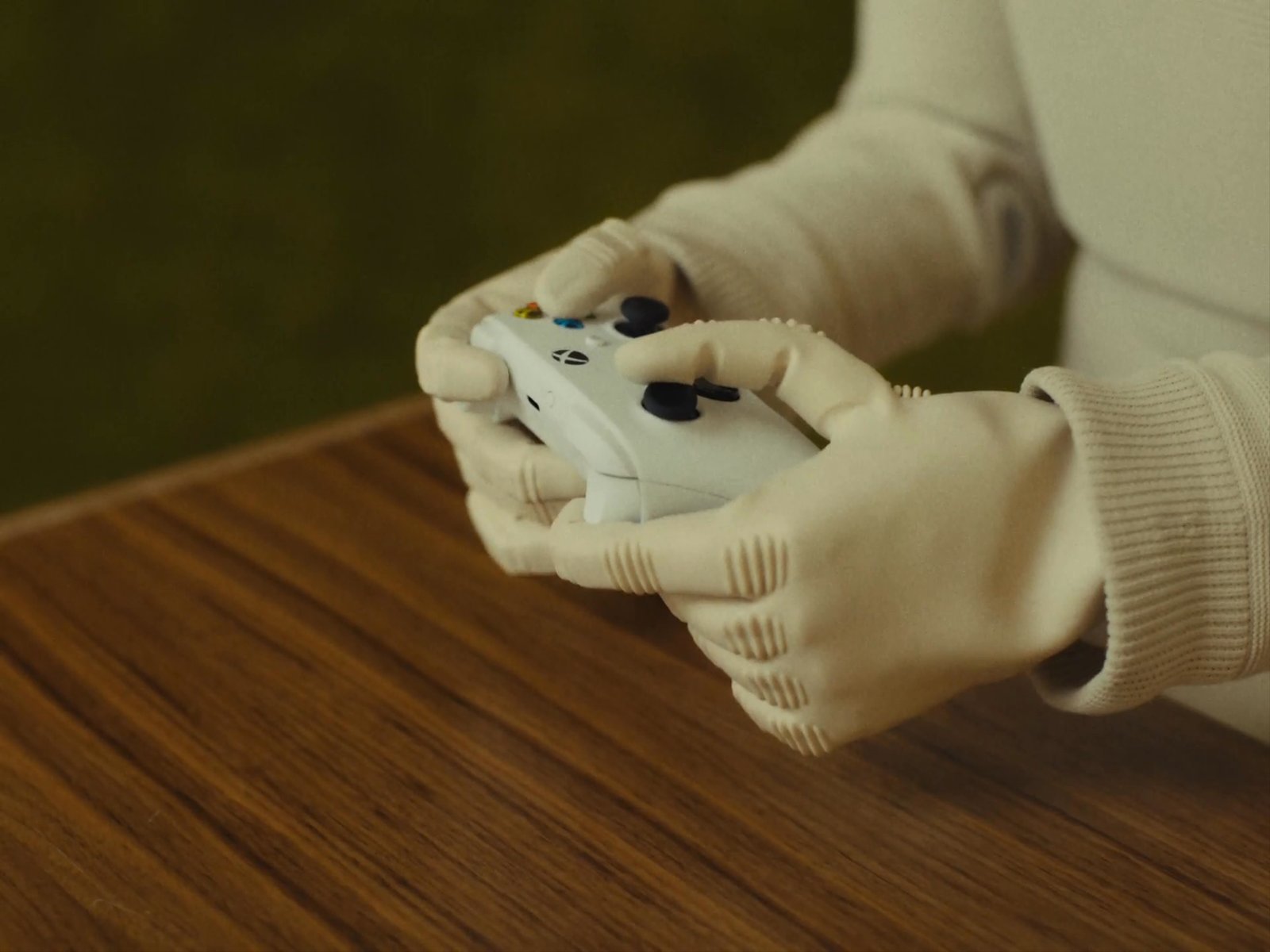
CEO Bernt Børnich's quote closes the page:
"Our goal was never a hand that only looks good on paper… With these hands, NEO crosses a critical threshold. The robot can now do what humans do with their hands every day."
The Real Strategic Number: Ten Thousand Hands This Year
However long the spec table runs, 1X marks only one "strategic number":
Hundreds of these hands have already come off the production line; the full line is end-to-end in-house—tendon materials, 1X motors, soft polymers, skin and tactile stack—and the company claims capacity to produce 10,000 hands this year.
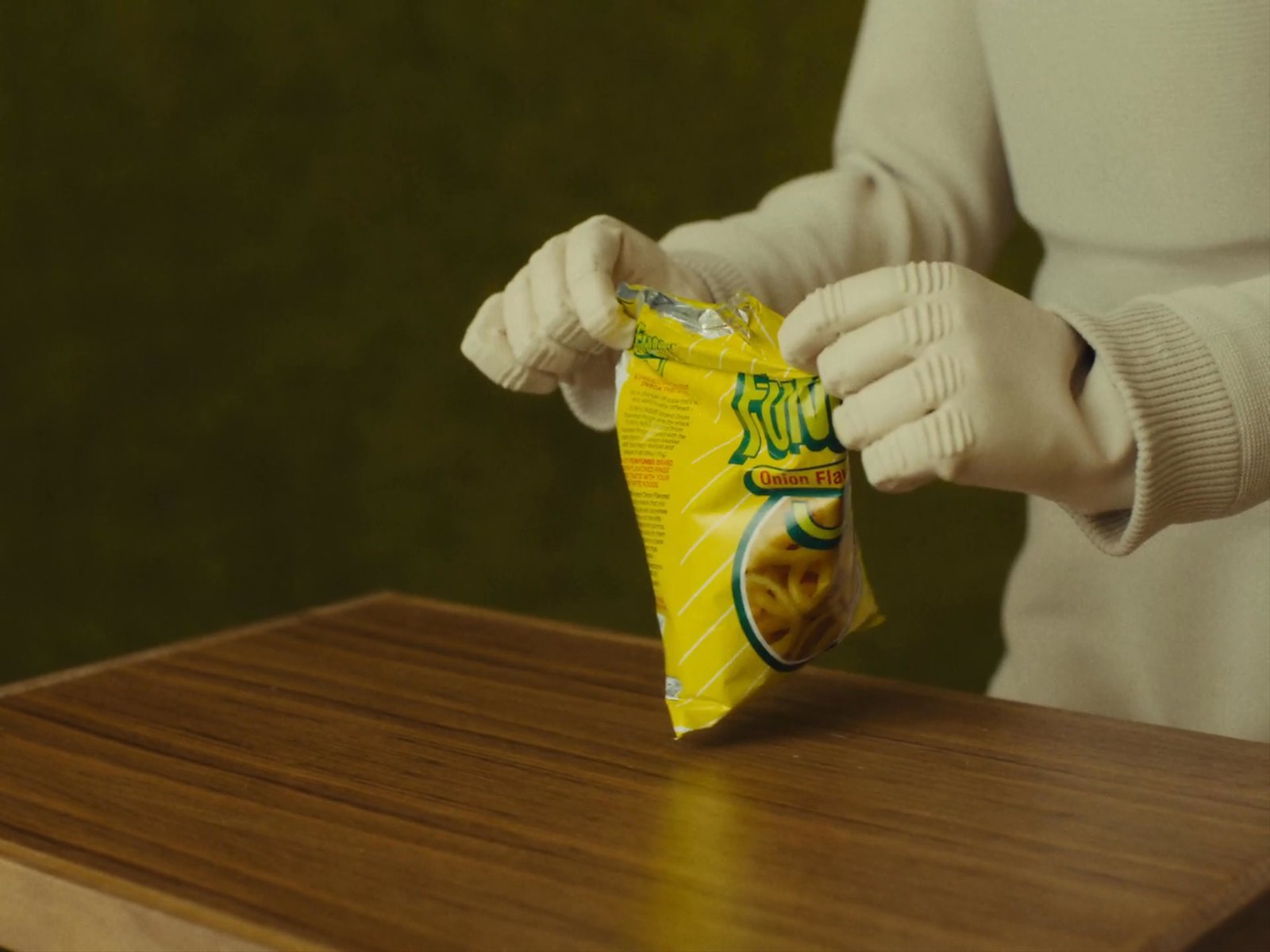
The reasoning is blunt: if you cannot manufacture hands, experiment scale cannot rise; without scale data, there is no embodied AGI as they define it.
That line sits against earlier NEO product narrative. Around October 2025, 1X unveiled the consumer NEO: about 66 pounds (~30 kg), soft body, tendon-driven full body, Early Access preorder at $20,000, subscription about $499/month, U.S. priority delivery in 2026. Then the pitch was "can enter the home"; this time the focus narrows to the fingertips—remove the hardware ceiling first, leave model and data as the remaining bottleneck.
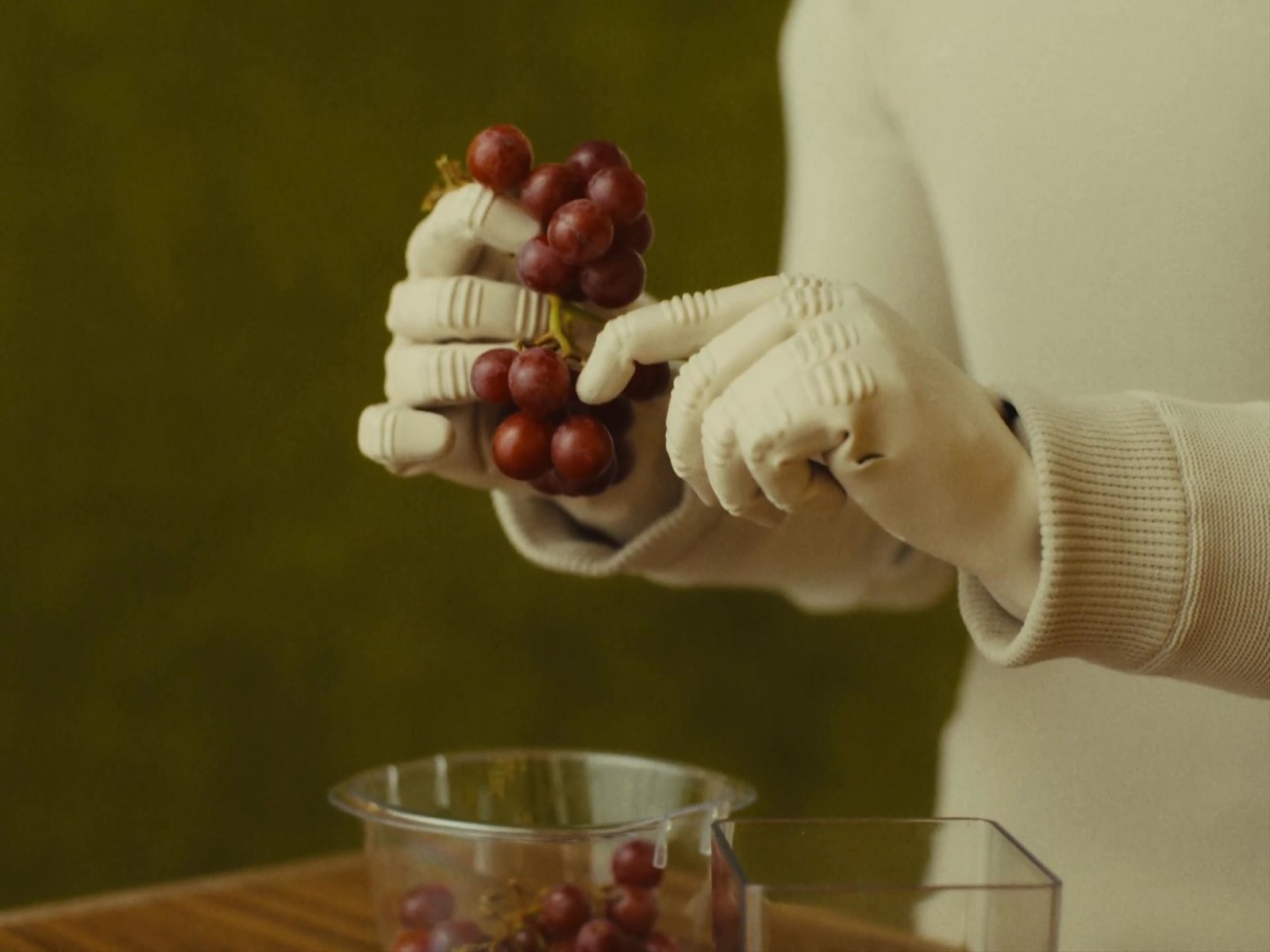
For seventy years, robotics often routed around "the hand." The humanoid path puts the bet back on it. 1X's framing: the contest is decided at the fingertips.
Back to the July 9 headline. They did not say "the hand looks human." They said the hand is an API to the physical world. Whether an API is good does not depend on how many handshakes appear in a promo reel—it depends on whether developers are still trapped in three verbs, and whether the production line can turn every grasp into a learnable experiment.
Compiled from public materials and commentary. Not investment advice. Images from 1X official pages and demo video stills.
Sources
- Official page: NEO's Hands | 1X
- Product page: NEO Home Robot
Conclusion
On July 9, 2026, 1X published "NEO's Hands | An API to the Physical World," detailing a 25-DoF, force-transparent, production-scale hand meant to unlock home robotics and embodied AGI data. See sections above for detail.
FAQ
What is this article mainly about? A: It covers how 1X positioned NEO's hand as an API to the physical world—background, key technical and strategic shifts, and the author's core read.
The Two-Finger Era: Developers Get Only Three Verbs—what are the main points? A: See the section "The Two-Finger Era: Developers Get Only Three Verbs." That section is based on source materials and does not constitute investment or legal advice.
Push a Finger and It Yields—and Reports the Force—what are the main points? A: See the section "Push a Finger and It Yields—and Reports the Force." That section is based on source materials and does not constitute investment or legal advice.
Skin Is Not a Shell—It Is a Sensor Array—what are the main points? A: See the section "Skin Is Not a Shell—It Is a Sensor Array." That section is based on source materials and does not constitute investment or legal advice.
The Real Strategic Number: Ten Thousand Hands This Year—what are the main points? A: See the section "The Real Strategic Number: Ten Thousand Hands This Year." That section is based on source materials and does not constitute investment or legal advice.
Does this article constitute investment advice? A: No. This is informational commentary and opinion. Decisions should rely on primary sources and professional advice.
Last updated: 2026-07-10
Author: Dr.Jingle (X @drjingle)
Evidence boundary: Structural GEO adaptation; facts and opinions from the original text; no unverified data added.
This article reflects the author's views and information synthesis. It does not constitute investment, legal, or medical advice.
Scan QR code or copy link to share in WeChat.